
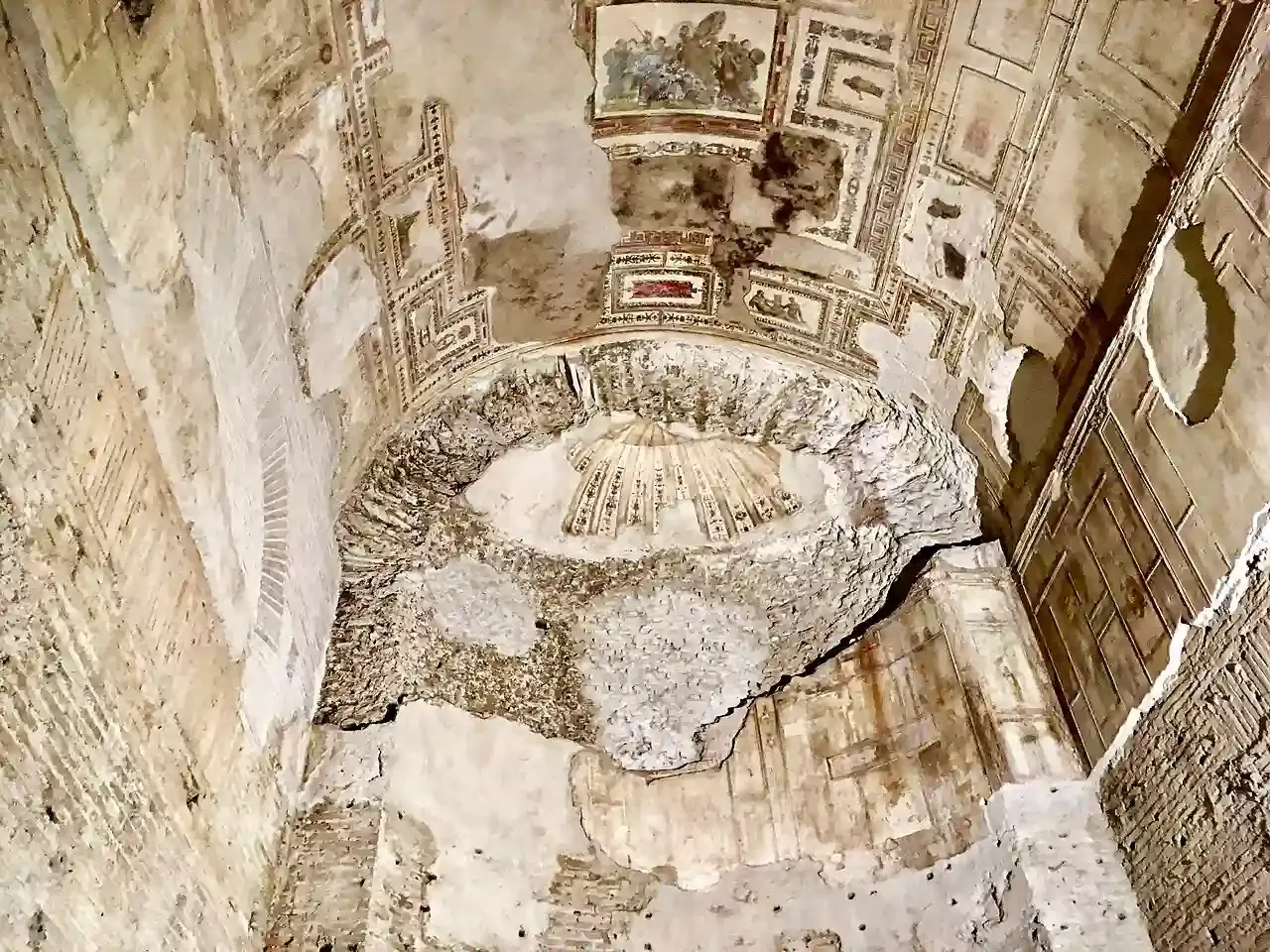
Domus Aurea in Rome
The Domus Aurea was a vast landscape palace complex constructed by Emperor Nero following the Great Fire of 64 AD. Located on the Oppian Hill, the structure featured gold leaf decorations, frescoed walls, and innovative concrete domes. Today, the subterranean remains offer a historical record of Roman architectural evolution and imperial residence design.
Support when you need it
Our team ensuring that your experience with us is as smooth and enjoyable as possible.
Fast and online booking
Choose the best option for your needs and preferences and avoid the lines booking here.
Top attraction in Rome
The Colosseum is an iconic landmark, a piece of history, and a testament to Roman engineering.
History of the Domus Aurea
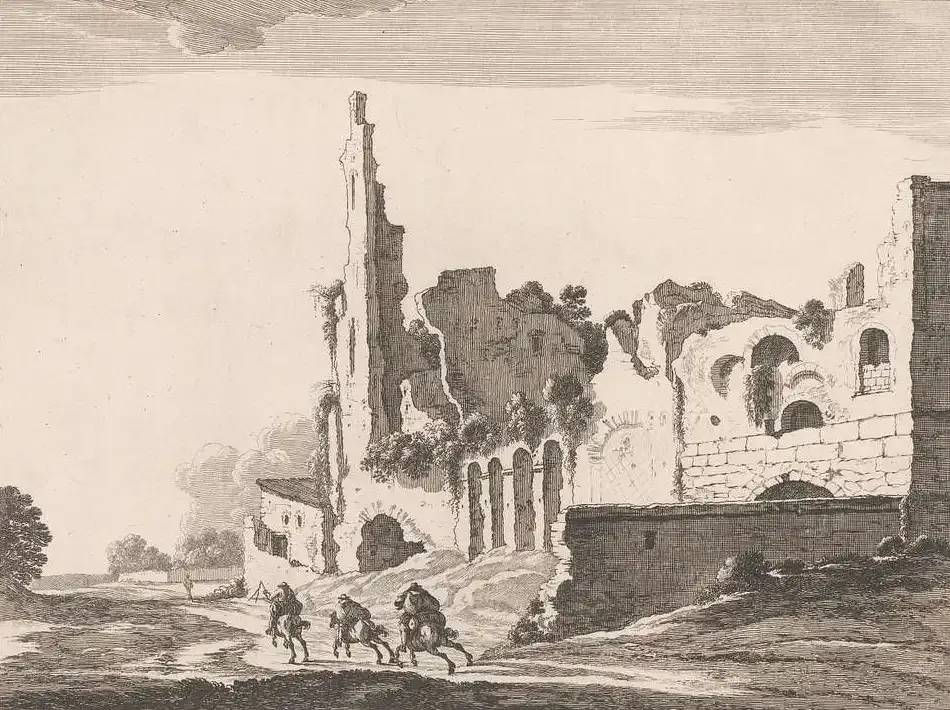
History of the Domus Aurea
The Domus Aurea, translated from Latin as the "Golden House," was a vast palace complex constructed by Emperor Nero following the Great Fire of Rome in AD 64. Historical estimates indicate the site occupied approximately 50 hectares, spanning the Palatine, Esquiline, and Oppian hills.
This structure represented the most ostentatious residence ever conceived by a Roman leader, featuring gold leaf finishes, semi-precious stones, and ivory ceilings. Following Nero's death, later emperors sought to erase his legacy by building over the site, which led to the preservation of the lower levels. Today, the subterranean remains provide critical insight into Roman architectural innovation, showcasing early examples of concrete domes and intricate frescoed wall decorations.
Palace of Nero
The Palace of Nero, known historically as the Domus Aurea, functioned as a massive architectural replacement for the aristocratic villas formerly situated on the Palatine Hill. The project transformed the urban center into a sprawling private estate characterized by its immense scale and technical innovation. It utilized vast tracts of land cleared by the previous citywide blaze.
Beyond the physical construction, this period marked a definitive shift in Roman social policy. Following the urban destruction, the imperial administration targeted the Christian community as the party responsible for the city's losses, establishing a precedent for state-sanctioned religious persecution within the empire.
It was designed as a place of entertainment, as shown by the presence of 300 rooms without any sleeping quarters. No kitchens or latrines have been discovered so far. Rooms sheathed in bright polished white marble, with varied floor plans, completed with niches and exedras that played to concentrate or disperse daylight.
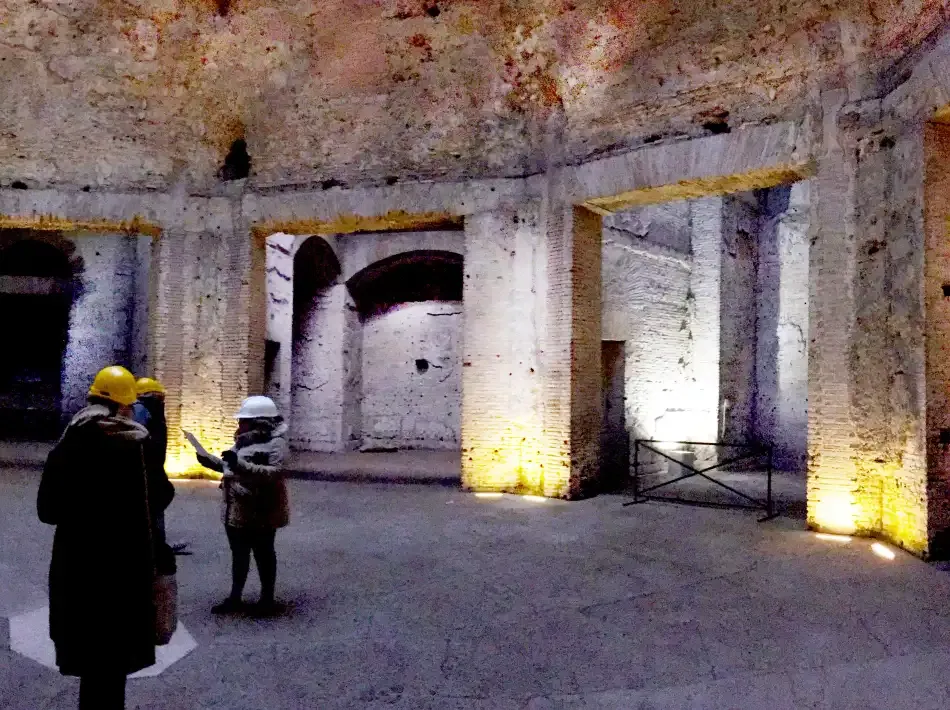
Architectural and decorative innovations of the Domus Aurea
One innovation stands out as a big influence for future art: mosaics in the vaulted ceilings, which had been only seen on floors before. Today only a few survive, the technique would be extensively copied, eventually ending up as a prime feature of Christian art. There was also an ingenious mechanism installed that made the ceiling underneath the dome revolve like heaves, while perfume was sprayed and rose petals dropped when fancy dinners were hosted in the palace.
There was an extensive gold leaf that gave the villa the name of the Golden House, but it was not the only extravagant element of its entire decor: ceilings faced with semi-precious stones and ivory veneers, and the walls were painted, in coordination of different themes with each major group of rooms.
Photo: "Domus Aurea, Nero's Golden House" by Jbribeiro1.
The interior paintings
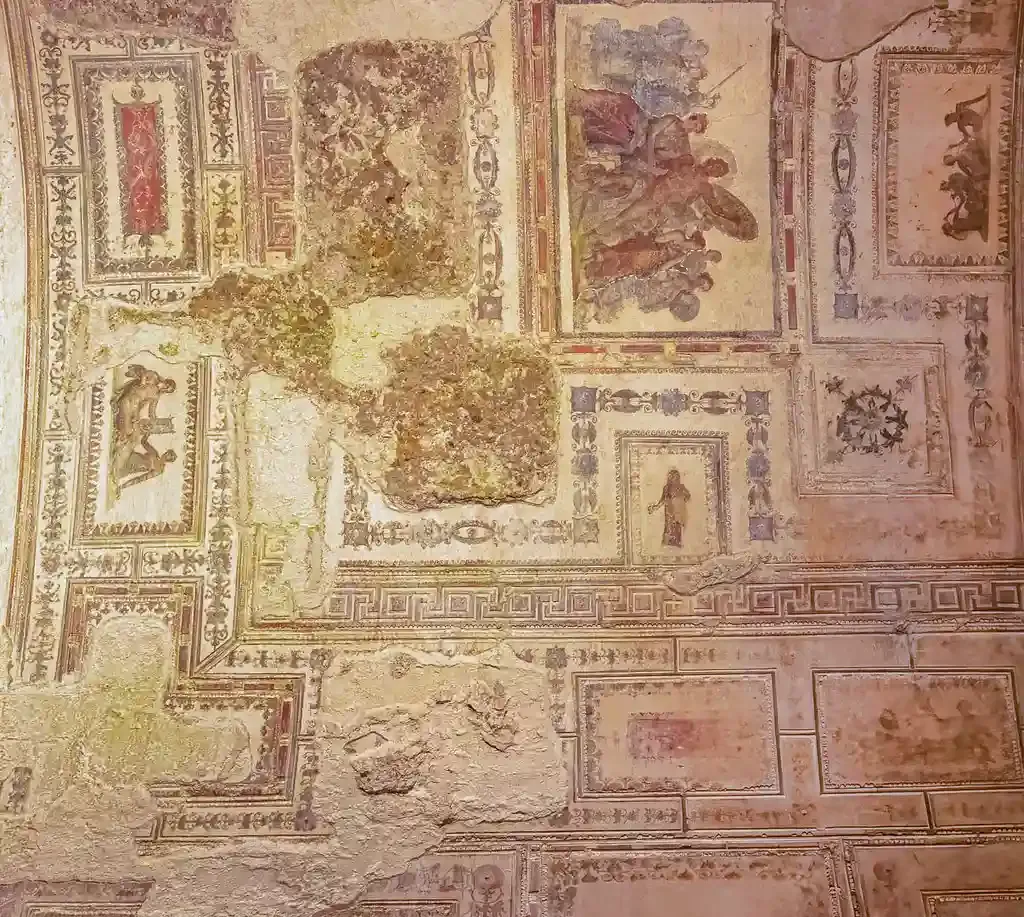
The interior paintings
One of the main features of The Domus Aurea were the frescoes that covered every surface within the palace. The main artist was one Famulus (some sources say his name was Fabulus), used the fresco technique, work on damp plaster and demands a speedy and steady touch. Famulus and his assistants went every day for only a few hours to work while the light was just right.
The compositions have a unique delicacy and wonderful unity. Even after the palace was built over, the frescoes were still visible when the Domus Aurea was discovered in the 16th century, that inspired the grotesques of Raphael and his followers from wall paintings from the caverns in the palace.
Photo: "Domus Aurea Art" by Paul VanDerWerf.
Arquitect
For the Domus Aurea vision, emperor Nero hired the architect Severus and the engineer Celer, who were already celebrated as masters of grand architecture. They designed two of the principal dining rooms to flank an octogonal court, overseen by a dome with a giant central oculus to let all the light in.
Main photo: "Domus Aurea, Nero’s Golden House, Rome" by Jbribeiro1.