History of the Colosseum
The Flavian Amphitheatre, the Colosseum's original name, was commissioned around 70 and 72 AD by Emperor Vespasian of the Flavian dynasty as a gift to the Roman people. It was built as a concept from ancient wealthy Romans to hold funeral games to honor the dead. Romans from ancient Rome believed that human sacrifice rituals made during a dead person's funeral would please their pagan gods and allow them a sure and satisfactory entry into the afterlife.
Support when you need it
Our team ensuring that your experience with us is as smooth and enjoyable as possible.
Fast and online booking
Choose the best option for your needs and preferences and avoid the lines booking here.
Top attraction in Rome
The Colosseum is an iconic landmark, a piece of history, and a testament to Roman engineering.
Construction
Construction
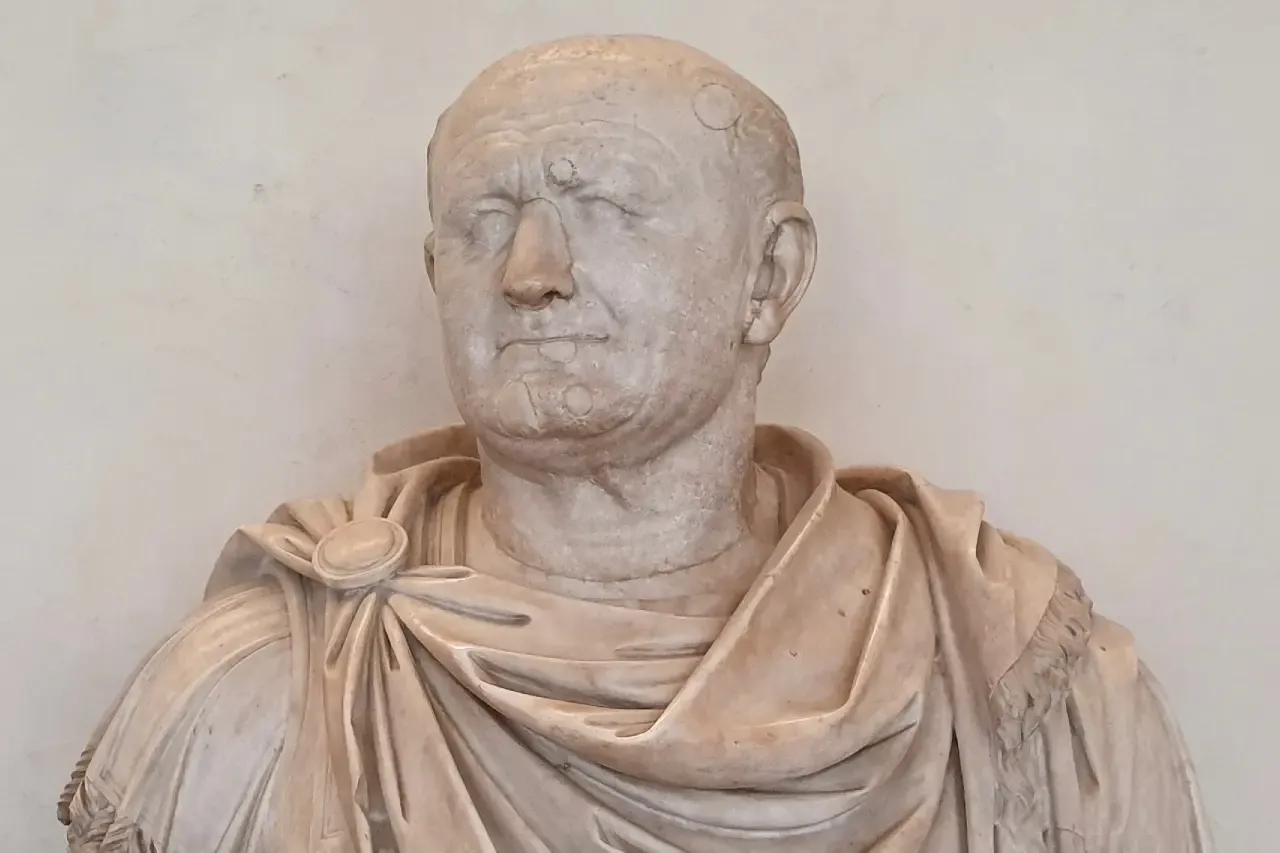
The Colosseum's original purpose was to host funeral games to honor the dead of wealthy Romans. It was ancient Romans' belief that human sacrifice rituals for their pagan gods would please them and grant them entry into the afterlife. Located east of the Roman Forum, it was commissioned by Emperor Vespasian as a gift to the Roman people. In 80 AD, the son of Vespasian, Titus, inaugurated the Colosseum with 100 days of games, including gladiatorial combats and fights between wild animals. Measuring about 190 by 155 meters, the Colosseum was the largest amphitheater known in ancient Rome. It was the main stage to entertain Roman citizens.
Photo: “Bust with head of Vespasian” by Yair-haklai.
Why is the Colosseum broken?
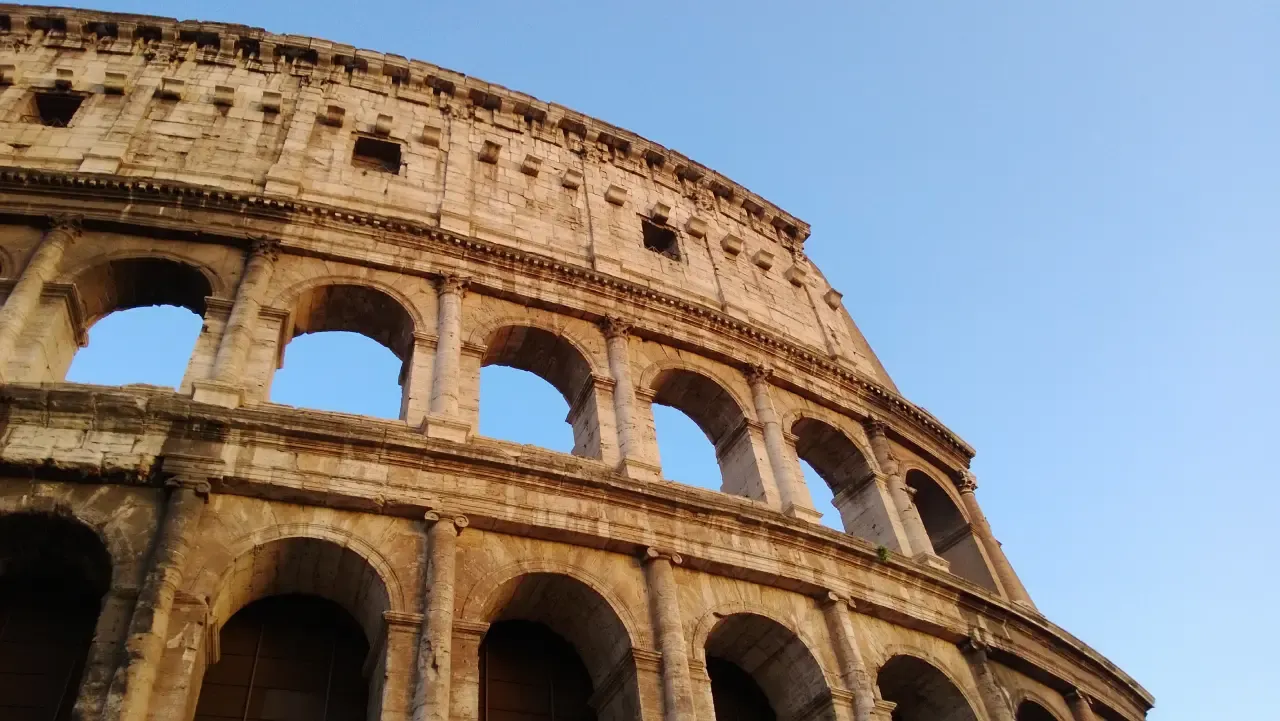
The Colosseum, built long ago in ancient Rome, still stands today. The original building structure has been damaged over the centuries, and there are three main reasons as to why it isn't complete today.
First, it was built centuries ago, under the reign of the Flavians which started around 70–72 AD and took about 10 years for the project to be completed. This means that from a historical point of view, it has endured natural wear and tear for the last thousand years.
Second, there have been several natural disasters like lightning strikes and earthquakes. And last but not least, because the Roman Empire fell and people began building new projects, and often they used ancient sites as quarries and used parts of the Colosseum's structure for other buildings, like the cathedrals of St. Peter and St. John Lateran.
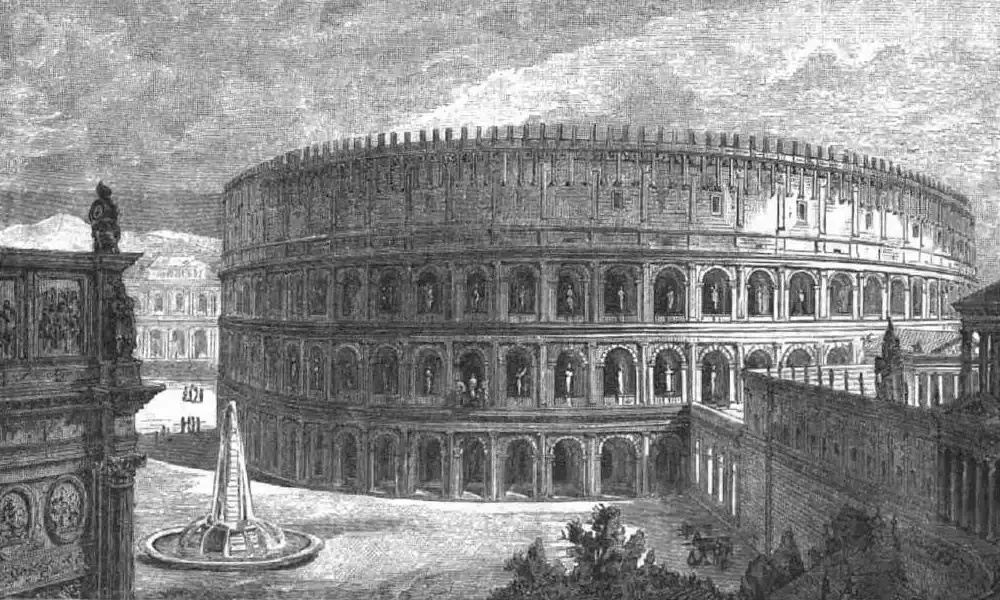
Original structure of the Colosseum
The Colosseum was a groundbreaking structure for the time period in ancient Rome. Usually the theatres were built on the hillside, but the Colosseum was a free-standing structure. The shape was the combination of two theatres back to back to create a rounded shape. The ellipse shape of the Colosseum is 189 meters long and 156 meters wide, with a base area of 24,000 m² (6 acres).
Fights at the Colosseum
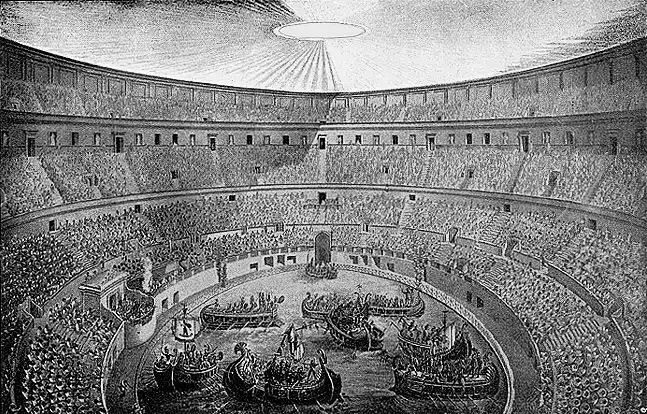
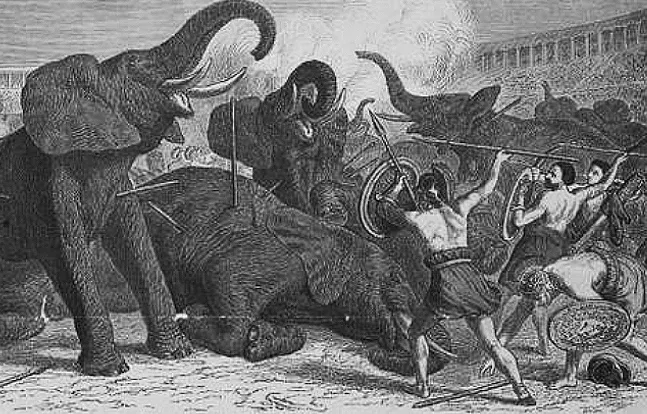
The main events hosted at the Colosseum were fights, specifically battles, and they witnessed thousands of hand-to-hand combats between gladiators. The gladiators were usually slaves, criminals or prisoners of war, and on occasion they were able to fight for their freedom. There were also battles against animals, and even naval battles as well:
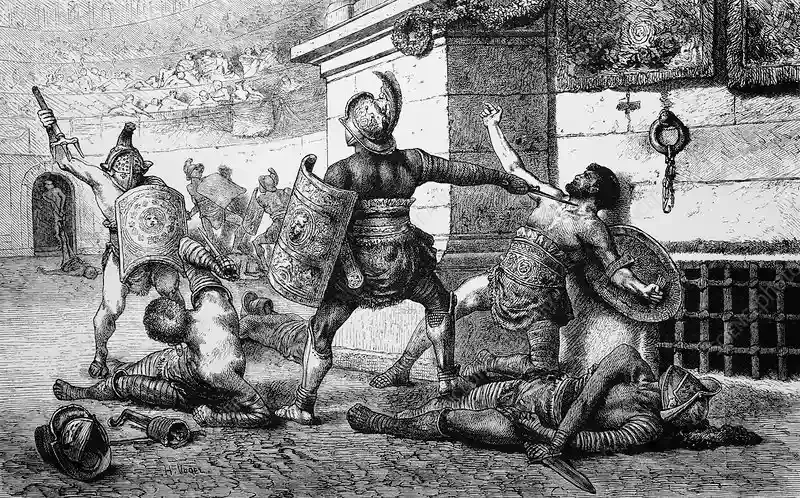
Gladiators
A gladiator – from the Latin word gladius, meaning sword – was an armed fighter whose sole purpose was to entertain people during the Roman Republic and Roman Empire era. They would face each other in violent confrontations with other gladiators, wild animals and condemned criminals as well.
Most of them were slaves, schooled under harsh conditions, social outcasts, and segregated even in death. But some of them were volunteers who wanted to risk their lives and their legal and social standing. Disregarding their origin, gladiators offered the audience an example of Rome's martial ethics, and their deaths or victories would inspire admiration and popular acclaim.